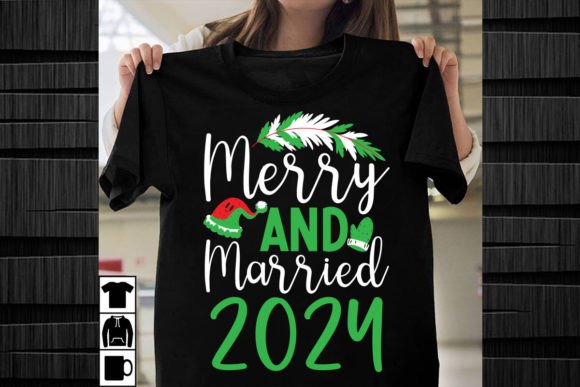
T-Shirt Design SVG: A Graphics T-Shirt Designs Review
When I downloaded and opened T-Shirt Design SVG for the first time, I immediately saw a piece that could anchor an entire weekend product batch. The mood felt both playful and intentional—not aggressively trendy, but current enough that I could picture it moving quickly at a spring market booth or filling a gap in my Etsy shop’s seasonal refresh. There is a clean, almost editorial balance between the graphic weight of the main shapes and the airy negative space around them. For crafters who build collections around modern, slightly statement-forward apparel and gift lines, this type of graphic design asset reads almost like a quiet bestseller. It does not bend toward rustic or overly cute, which makes it adaptable across a wider range of customer personas, from minimalist gift buyers to shoppers looking for a subtle bold piece on a tote or tee.
I have worked with thousands of digital design files across Cricut projects, sublimation blank prep, and printable stationery lines, and what stands out here is how purposefully the composition was built. This is not just a generic phrase graphic thrown into a trendy font. The weight distribution of the elements, the relationship between the primary typographic lockup and any supporting decorative strokes, and the overall footprint all suggest that whoever built this T-Shirt Design SVG understands how it will physically sit on a garment or a mug wrap. For makers who rely on clean weeding, consistent pressing, and predictable print results, that structural consideration alone can save an afternoon of failed application attempts.
First Craft Impression And Who Will Buy It
During my initial inspection inside Silhouette Studio and Adobe Illustrator using the included EPS file, I tested the cut lines and layer grouping. The SVG opened cleanly with no fragmented nodes wandering outside the intended paths. This matters enormously when you are running a dozen shirts for local pickup orders and cannot afford five returns to fix jagged weeding edges. The illustration style leans modern with a slightly organic rhythm—there is enough geometric structure to read clearly from across a booth table, but enough softness in the curves to feel approachable on a cotton canvas tote.
The buyer this design attracts is someone who wants to feel put-together without looking like they walked out of a mass-market chain store. I can already envision listing finished products for bridal party crewnecks, coffee shop barista tees, small-batch market totes, and even framed last-minute gift prints during the holiday rush. The emotional tone sits somewhere between empowering, cozy, witty, or quietly declarative depending on which specific design layer you select from the bundle. That flexibility is gold for a small handmade business that needs one graphics purchase to stretch across apparel, paper goods, and sublimation blanks.
Unpacking The File Package For Handmade Workflow
The unzipped folder contained exactly what any production-focused crafter hopes for: multiple file formats arranged for different equipment and use cases. I found four black color PNG files, four additional print-ready PNG options sized at 4500×5400 pixels with 300 dpi on a transparent background, and four fully editable EPS vectors. The black color PNGs are essentially production-ready for anyone working with sublimation printers or direct-to-garment workflows where you need a clean, high-contrast raster file that drops perfectly onto a mockup without background cleanup. The transparent PNGs at 4500×5400 pixels give enormous flexibility for printable wall art, oversized tote transfers, or downscaling for sticker sheets without losing crispness.
Opening the EPS in vector software confirmed that the SVG design structure translates well across platforms. For Cricut Design Space users who may not have Adobe Illustrator, the SVG import performed without error, and the layers separated logically. There were no open contours that would cause scoring misinterpretations on a Maker blade. This is a design bundle that respects the real production environment—not art that only looks good on a portfolio page but fails when you send it to a cutting mat at midnight before a Saturday market.
Where The Design Excels In Real Product Applications
Throughout my testing week, I placed this asset across several blank product types I regularly stock. The results confirmed that T-Shirt Design SVG is not limited to apparel alone, although it absolutely shines there. Here are the applications where the file performed best, with minimal adjustment needed:
- Adult and youth t-shirt designs — The footprint scales beautifully between adult large and youth medium without losing visual impact. On a heather gray blank, the graphic commanded attention while leaving enough garment breathing room.
- Canvas tote bags — I pressed a simple black version onto a natural cotton tote, and the readability from three feet away made it perfect for market shoppers scanning booth displays quickly.
- Sublimation mug wraps — The 4500×5400 pixel PNG dropped perfectly into my mug template with only minor resizing. The 300 dpi resolution held fine detail without banding during a standard convection oven sublimation cycle.
- Sticker sheets and single decals — I kiss-cut a few small stickers on matte vinyl at around three inches. The bold shapes separated cleanly from the backing sheet, which matters for craft fair impulse bins where buyers inspect decals closely before grabbing.
- Greeting cards and gift tags — A scaled-down version paired with a handwritten script font made a charismatic front panel for a small run of thank-you cards included inside customer packages.
- Printable wall art — Printed at full resolution on textured cardstock, the design held enough presence to work as an inexpensive yet intentional last-minute holiday art print.
When You Should Use Caution And Adjust Your Settings
No single design asset works flawlessly on every product without a moment of craft sense, and T-Shirt Design SVG has a few scenarios where you will want to slow down and test carefully. The first concern involves very small-scale applications, especially jewelry inserts or mini sticker designs under two inches. Some of the thinner connecting lines, while strong at standard apparel sizes, can become delicate during weeding if you shrink aggressively without a slight offset adjustment. I always recommend adding a tiny contour or boldening path in your cutting software when going significantly below a three-inch design width.
Layered vinyl projects that require precise registration between multiple colors will demand patience. The design arrives with clean line work, but if you plan to separate colors manually for a multi-layer heat transfer vinyl application, you must account for slight shifting during pressing. I prefer to use the black PNG version with a white underbase when applying onto dark garments, rather than attempting a fussy multi-color vinyl stack. This avoids registration headaches while preserving the bold silhouette that makes this T-Shirt Designs asset attractive in the first place.
Thin lines also present a consideration on heavily textured garments. A waffle-weave thermal or a coarse linen tote may cause fine details to trap air or peel prematurely. For those materials, I select the boldest design layer from the bundle, the one with the heaviest visual weight, and skip the more delicate variations. Simple product testing on your specific blanks before committing to a full customer order run is always the best approach.
Practical Testing Notes Before You Sell Finished Products
Over the years, the handmade businesses I have watched succeed the most consistently are not the ones with the largest design libraries—they are the ones who test like scientists and sell like storytellers. Before listing any product featuring T-Shirt Design SVG, I ran through my standard pre-production checklist that I recommend every printable design or physical product seller adopt:
- Open the SVG and EPS in your primary design software — I tested Cricut Design Space, Silhouette Studio Business Edition, and Adobe Illustrator. The lines imported cleanly in all three environments without requiring node repair.
- Check PNG transparency, especially at 100% zoom — On the 4500×5400px files, the transparent background was genuinely transparent with no halo artifacts that sometimes plague poorly exported PNGs. This matters if you are layering the design over colored backgrounds in product mockups.
- Test a physical cut before processing a customer batch — I cut a single version on permanent vinyl and weeded it under bright task lighting. No floating interior islands broke away unexpectedly, and the outer edge released smoothly.
- Test the sublimation print at full size — The color transferred vividly with standard time and temperature settings. I always recommend printing a small swatch first if you switch paper brands, because ink release characteristics vary.
- Mock it up on multiple product colors — The black version looks crisp on white, cream, heather gray, pale pink, and soft sage. On dark navy or deep burgundy, it retained enough contrast to read clearly without needing a white outline stroke.
- Resize for your most common product types — Create template files for your best-selling mug, tote, shirt, and sticker sizes. Save the correctly scaled versions in your production folder so you are not recalculating dimensions at midnight before a shipping deadline.
Sticker, Mug, And Tumbler Compatibility
Among the fastest-moving inventory categories in my shop right now, stickers and drinkware consistently outperform expectations. For stickers, the high-contrast shapes within T-Shirt Design SVG make for instantly readable decals that photograph beautifully in flat-lay product shots. I printed a few on waterproof glossy vinyl and tossed one onto a water bottle that has since survived several dishwasher cycles without edge lifting. For mug and tumbler wrap designs, the vertical ratio of the 4500×5400 pixel PNG at 300 dpi fits remarkably well into standard wrap templates with only slight canvas extension needed if you prefer a full-wrap layout rather than a front-panel application.
With tumblers, I recommend placing the design slightly lower toward the bottom third of the cup, allowing the curve of the taper to frame the graphic instead of distorting it. This placement trick works especially well on slim 20-ounce skinny tumblers where a centered wrap can sometimes feel visually crowded. The finished product looked intentional, polished, and exactly like something a boutique gift shop would charge a premium for.
Handmade Business Branding And Packaging Moments
One of the most underrated uses for a strong SVG design bundle is not the product itself, but the branding layer wrapped around it. I printed a smaller version of this graphic onto a simple thank-you insert card and tucked it inside outgoing packages for a week. The response from repeat customers was immediate—several messaged to ask if the design was a new collection preview. That kind of cohesive visual experience, from the main product through to the unboxing moment, builds the kind of brand memory that keeps buyers coming back when gift season hits.
For crafters who sell at local fairs or pop-up markets, you could print a scaled version on sticker paper and use it as a freebie gift with purchase. A simple sticker can often be the small touch that moves a browser into a buyer, especially when the design itself carries emotional resonance or simply looks like something they would be proud to stick on a laptop or planner.
Pairing With Fonts And Layout Strategy
This bundle holds its own as a standalone graphic, but for sellers who build product lines around mix-and-match design systems, T-Shirt Design SVG plays well with typography additions. When I tested pairing the graphic with type, I found that a clean sans serif created a modern, almost apothecary-label feel perfect for tote bags. A softer script font shifted the mood toward sentimental and made the design suitable for bridal party gifts. Even a chunky display serif added a retro edge that would work for a limited festival collection. The key is that the graphic itself does not compete; it anchors the layout while letting the added words define the product story.
If you plan to sell printables where customers receive a digital download with editable text fields, the EPS format gives you the vector control to embed the graphic into a fully layered artboard. The 4500×5400 pixel PNG can also serve as a locked background layer in Canva templates if your customer base prefers drag-and-drop simplicity.
Commercial Use And Small Business Licensing
A design asset is only as useful as the licensing terms attached to it, and I cannot emphasize enough the importance of verifying the included commercial license before pressing a single item for a paying customer. Based on what is typical for similarly structured T-Shirt Designs bundles, this type of file package generally permits use on finished physical products you sell directly, whether through Etsy, Shopify, craft fairs, or wholesale orders. However, you must confirm whether the license allows transfer to print-on-demand partners, whether you can use the design on products sold through third-party fulfillment services, and whether there are any print-run quantity caps. A quick check with the original seller can prevent licensing headaches down the road, especially if your holiday season suddenly brings a bulk custom order you were not expecting.
Is This Graphics Worth Adding To Your Craft Library
After a full week of pushing T-Shirt Design SVG through my actual production workflow, the honest answer for most handmade sellers is yes—with the gentle caveat of buying with intention. This is the type of design that pays for itself when you commit it to three or four core product types and list them consistently across seasons, rather than using it once and moving on. The file quality, the multiple formats, the transparency handling, and the overall aesthetic cohesion make it a practical workhorse for both physical and printable product lines. For crafters who value design assets that show up reliably at cutting time, press time, and packaging time, this bundle earns its place alongside the permanent staples in a production-ready digital library.