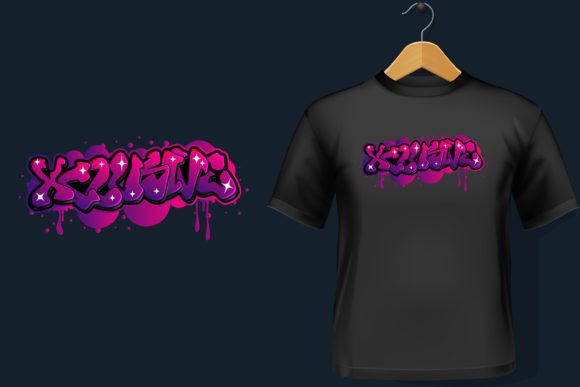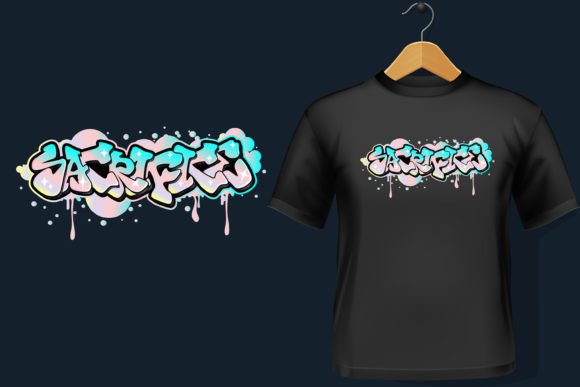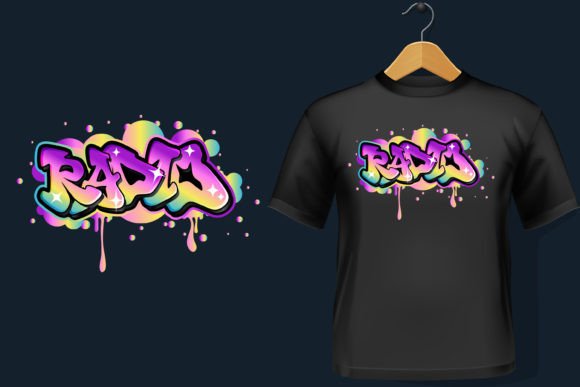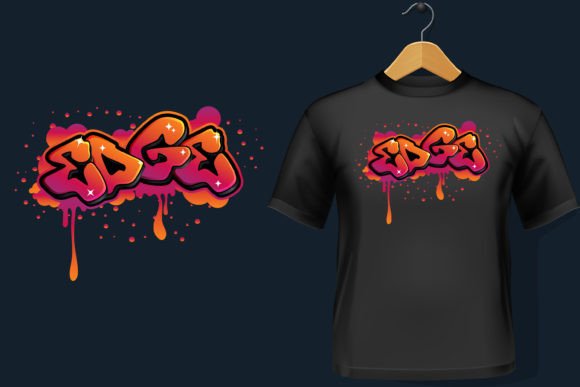
Elijah: Graffiti Graphics for T-Shirt Designs & Publishing
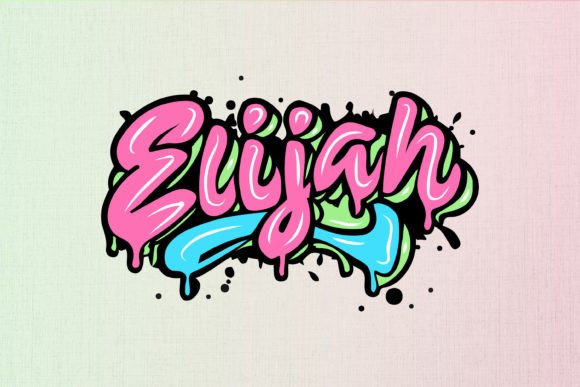
When I first opened the Elijah file set, I felt that immediate pulse of creative energy that every publisher hopes for when sourcing a new graphic design asset. The raw movement, the confident strokes, the layered grit of urban lettering — it all lands with a sense of purpose. This is not polite typography. Elijah is loud, expressive, and unapologetically streetwise, the kind of artwork that can transform a flat blog layout into something with real editorial presence.
For content publishers who understand that a featured image is often the single deciding factor between a click and a scroll-past, Elijah delivers exactly what matters most: instant visual distinction. The graffiti lettering typography art illustration style gives every canvas a handcrafted, authentic feel. Whether dropped onto a website header or used as the anchor graphic for a Pinterest pin, this design asset carries weight and character that stock vector icons and generic script fonts simply cannot match.
What This Graphic Brings to an Editorial Layout
Every seasoned digital publisher knows that typography sets the voice of a page before a single sentence is read. With Elijah, the voice is rebellious, youthful, and creatively charged. The letterforms twist and sprawl with organic motion, creating a sense of movement that pulls the eye across the composition. That kinetic quality makes this an exceptionally strong editorial design element for websites and digital publications that need to communicate energy — think music blogs, street art magazines, cultural commentary sites, skate and lifestyle brands, or indie fashion publishers.
Unlike many graffiti-style designs that become illegible at smaller sizes, the structure of Elijah holds its shape reasonably well. The contrast between thick and thin strokes gives the artwork a built-in visual hierarchy, which is something I always look for when evaluating a graphic design asset for real publishing workflows. That contrast naturally guides the reader's eye, making it easier to pair with supporting headline text or overlay elements without visual chaos taking over.
Where Elijah Feels Most at Home in Content Publishing
After testing the artwork across multiple mockup scenarios, several clear use cases emerged. The most natural fit for Elijah is as a hero graphic on content-heavy pages that need an immediate mood setter. Picture a long-form article about independent music venues, a photo essay on urban culture, or a bold opinion piece about creative freedom — Elijah stationed at the top of the post establishes tone before the reader processes a single word.
Blog featured images and article thumbnails benefit enormously from the graphic's high-contrast personality. In a sea of minimalist stock photography and templated Canva designs, Elijah stands apart. For affiliate marketers and content creators publishing product roundups or style guides, this kind of visual differentiation can directly impact click-through rates. A Pinterest pin built around this artwork scrolls differently. It pauses the thumb. It signals that the content behind the image carries a distinct point of view.
Beyond traditional blog graphics, Elijah works exceptionally well for downloadable resources and lead magnets that target a creative, design-savvy audience. I can easily envision this artwork on the cover of a digital guide about street photography techniques, a worksheet for aspiring mural artists, or a printable art piece offered as a content upgrade. The vector format means the artwork scales cleanly from a small social media graphic up to a full-page printable design without losing integrity.
Newsletter Design and Email Marketing Applications
Email newsletters have become fiercely competitive visual spaces. Publishers and small business owners alike need header graphics that grab attention in a crowded inbox preview pane. Elijah brings a tactile, almost physical texture to newsletter headers — the kind that reads as intentionally crafted rather than auto-generated. For creative entrepreneurs running lifestyle newsletters, weekly roundups, or community-focused email campaigns, placing this graphic at the top of a message creates an immediate brand signature.
What makes this particularly useful for content marketers is the editable vector file structure. The artwork ships as a fully editable master file, ready in AI, EPS, and SVG formats. This means newsletter designers can recolor the graphic to match existing brand identity palettes, adjust stroke weights for legibility, or isolate specific elements for use as category accents across multiple campaigns. That level of creative control transforms a single graphic design asset into an adaptable visual system.
Brand Identity Considerations for Small Business Owners
For small business branding projects, consistency across touchpoints matters more than complexity. Elijah delivers a strong enough visual identity on its own that it can serve as an anchor for an entire campaign or seasonal brand refresh. A coffee shop with an edgy aesthetic, a screen-printing studio, a boutique streetwear label, or a creative marketplace vendor — each could leverage this artwork for website headers, social media templates, packaging accents, and promotional materials. The vector compatibility with Adobe Illustrator ensures professional print workflows remain smooth.
However, I want to be transparent about where this design asset requires careful handling. Elijah speaks a specific creative language, and that language will not suit every brand. A financial services blog, a medical practice website, or a corporate consulting firm would find the graffiti aesthetic at odds with their audience expectations. Visual communication works best when the design supports the message rather than distracting from it. For serious professional niches that rely on understated trust signals, this artwork would feel out of place. But for any publisher or brand operating in a creative, expressive, or culture-driven space, the alignment is immediate and powerful.
Practical Publishing Tests Every Designer Should Run
Before committing any graphic to a live publishing environment, I run through a standard set of practical checks. With Elijah, the results were largely positive, with a few notes worth sharing. On desktop screens at full banner width, the artwork commands attention without overwhelming the surrounding layout — provided there is adequate whitespace around it. On mobile screens, the details compress naturally, though I recommend testing the graphic at thumbnail size before using it as the sole visual on a small product card or related-post widget.
Pairing tests revealed that Elijah plays surprisingly well with clean sans serif fonts for headline text. The tension between the organic graffiti strokes and a crisp, modern sans serif creates an editorial contrast that feels intentional and contemporary. Script fonts and handwritten fonts, on the other hand, tend to compete rather than complement — if you plan to overlay text directly onto the graphic, stick with something structured. Display fonts can work beautifully for magazine-style layouts where the headline sits adjacent to rather than on top of the artwork.
Contrast and readability deserve special attention. The layered texture inherent in graffiti lettering means that busy backgrounds or low-contrast color pairings can muddy the visual impact. I tested Elijah against light, dark, and mid-tone backgrounds, and the sweet spot is clear: give this graphic room to breathe on a background that provides enough tonal separation. A dark version of the artwork on a pale background, or a bright color treatment on a dark surface, both produce strong, publication-ready results.
File Quality and Production-Ready Structure
From a production standpoint, the Elijah package delivers exactly what professional publishers need. The inclusion of AI, EPS, and SVG files means compatibility across the entire modern design workflow. Adobe Illustrator users can dive straight into the master file for comprehensive edits — recoloring, reshaping, exporting specific layers. SVG support makes this graphic immediately usable for web applications, from inline SVG in website headers to responsive social media graphics that need to look sharp on retina displays.
The 100% editable vector structure is not just a bullet point on a product page; it has real publishing implications. Need to extract a single letterform for a category icon? Possible. Want to flatten the artwork into a single-color version for a printable design on textured paper? Straightforward. Planning to animate the strokes for a digital ad or website loading screen? The path data is clean and ready. This kind of flexibility turns a single creative marketplace purchase into a long-term design asset for ongoing content needs.
Web performance should always factor into publishing decisions. Vector files carry negligible weight concerns for digital use, but if you are exporting raster versions for blog featured images or Pinterest pins, be mindful of compression. A high-quality JPEG at 1200 pixels wide with optimized compression will typically land under 200KB — perfectly acceptable for page speed without sacrificing visual quality. For newsletter use, the same principle applies; keep exported images lean to avoid triggering spam filters or slow-loading email clients.
Commercial Licensing and Monetized Publishing
Any publisher using design assets on a monetized website, an affiliate content page, or a product for sale needs absolute clarity on licensing. Elijah falls into the commercial design space, and confirming the specific terms of the commercial license before deployment is essential. In most marketplace contexts, a standard commercial license covers use on websites, social media, digital publications, and within downloadable content that is not resold as a standalone design file. If you plan to use this artwork on physical merchandise, within a logo, or as part of a trademarked brand identity, dig into the license details carefully.
For the typical blogger, content creator, newsletter publisher, or affiliate marketer, Elijah offers robust commercial utility. You can place it on blog graphics, social media posts, digital guide covers, media kit pages, and website banners without licensing headaches — provided your usage aligns with the standard commercial terms of the marketplace where you acquired the file.
Visual Identity Consistency Across Content Channels
One of the most underappreciated benefits of a strong graphic design asset like Elijah is its ability to unify disparate content channels under a recognizable visual thread. A publisher running a blog, a Pinterest presence, an Instagram feed, and a weekly newsletter can use variations of this artwork across all platforms, creating a cohesive visual identity that readers learn to recognize over time. That kind of consistency builds brand identity faster than any tagline or color palette alone.
For content marketing teams managing multiple contributors, having an anchor graphic like Elijah in the asset library simplifies the design process. Assign the graphic to a recurring series, a specific content category, or a seasonal campaign, and every piece of content in that bucket gains instant visual recognition. Category thumbnails, series headers, and feature banners all benefit from this approach, reducing the time spent on individual graphic creation while strengthening the overall editorial design system.
Final Publisher Assessment
After working through real publishing scenarios, testing across device sizes, pairing with various typographic styles, and considering the full range of editorial applications, Elijah earns its place as a valuable creative asset for the right publisher. The graffiti lettering typography art illustration style brings personality, texture, and editorial energy that polished but generic designs cannot replicate. It is not a universal solution — no single graphic design asset ever is — but for content creators, bloggers, and digital publishers operating in creative, cultural, or lifestyle niches, this artwork solves a genuine visual communication problem.
The editable vector files, multiple format options, and production-ready structure mean that Elijah can evolve alongside a publisher's content needs rather than serving a single one-off purpose. Whether you are building a featured image for tomorrow's blog post, designing a lead magnet cover, refreshing your newsletter header, or crafting a Pinterest pin that actually earns clicks, this graphic design asset gives you the raw material to create something that looks intentional, professional, and unmistakably yours. In a publishing landscape where attention is the scarcest resource, that kind of visual advantage is worth far more than the cost of the download.